

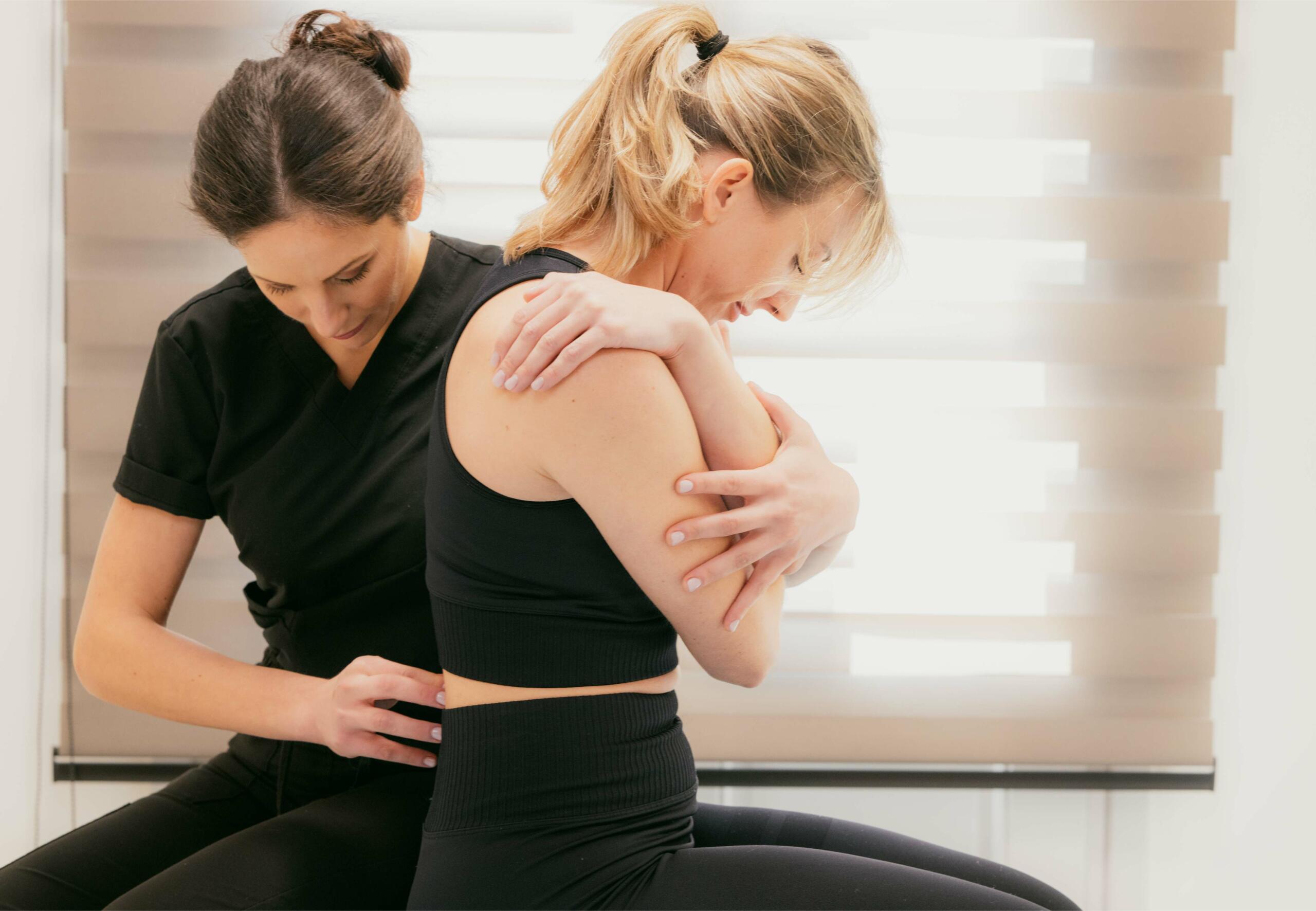
Osteopathy is a holistic, hands-on approach to healthcare that focuses on restoring balance within the body. Osteopaths use manual techniques to enhance the function of various systems, including the musculoskeletal, circulatory, and nervous systems. Treatment involves a range of specialized techniques, such as joint mobilization, soft tissue release, and stretching, aimed at improving mobility, flexibility, and overall body function.


First consultation
The first osteopathic consultation involves a comprehensive approach, including a detailed medical history, physical examination, and the development of an osteopathic treatment strategy.
Medical History
The medical history is a crucial step in assessing a person’s health. It includes questions regarding the current complaint, any ongoing medications, and past medical conditions or injuries. This process is vital for gaining a complete understanding of the patient’s overall health, which is necessary to develop a safe and effective treatment plan.
Physical Examination
A physical examination involves a thorough observation of the entire body and posture, along with palpation of the areas causing discomfort. In some cases, percussion or auscultation may also be used if necessary. The clinician may also perform clinical tests, including orthopedic, neurological, and cardiovascular assessments, to identify the tissues responsible for the symptoms.


Treatment Plan
Following the medical history and examination, a treatment plan will be developed. This plan will include both short-term and long-term strategies aimed at improving the patient’s condition. The plan may also include specific instructions, exercises, or stretches for the patient to perform at home to aid in achieving the desired outcome.